
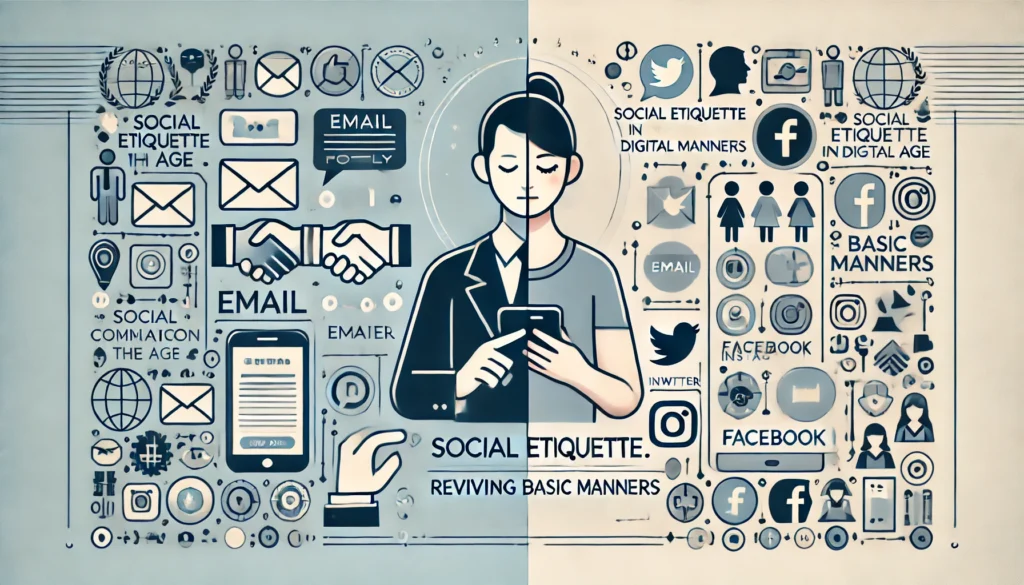
In the post-COVID era, we’ve witnessed significant shifts in our communication styles, particularly in how we engage with one another in both personal and professional settings. While the digital age has brought about remarkable advancements in communication technology, it has also led to a concerning decline in basic social etiquette. The importance of simple gestures like greetings and the respectful use of titles appears to be diminishing, and this change merits our attention.
The Shift in Communication Styles
As we transitioned to remote interactions during the pandemic, many individuals adopted a more casual and informal style of communication. Texting, emojis, and informal language became the norm, leading to a decline in traditional courtesies. Basic greetings like “hello” or “good morning” often go unacknowledged, and addressing seniors with “sir,” “ma’am,” or their proper titles seems to be fading away.
The Importance of Basic Manners
In a world where digital communication prevails, it’s essential to recognize that basic manners reflect our values and character. When we demonstrate consideration for others through simple gestures, we convey respect and professionalism. It’s not just about adhering to social norms; it’s about expressing who we are and the values we uphold.
- Greetings Matter: A simple greeting can set the tone for any interaction. Whether in person or online, acknowledging someone with a warm “hello” or “how are you?” creates an inviting atmosphere. It shows that we value the other person and are willing to engage meaningfully.
- Respect Titles: Addressing seniors or individuals in authoritative positions with their appropriate titles not only demonstrates respect but also acknowledges their experience and contributions. Using titles like “Dr.,” “Professor,” or “Manager” reinforces professionalism and can help establish a respectful tone in conversations.
- Mindful Communication: In our rush to respond or convey information, we often overlook the importance of active listening and thoughtful responses. Taking the time to listen fully and respond with intention reflects our commitment to fostering healthy relationships and effective communication.
We often see individuals fail to acknowledge important matters, which can create misunderstandings. It’s acceptable to be casual with friends, but in other settings, acknowledgment matters. For instance, if someone invites you to an event, don’t just respond with a thumbs-up; take a moment to thank them for the invitation before accepting or declining. Similarly, start conversations with a polite “Hi, [Name]” or “Hello, Sir/Madam, how are you?” before diving into your topic.
- Acknowledgment Matters: When someone sends you a text, it’s not always necessary to reply immediately. However, a simple acknowledgment, such as a “thank you for your message,” goes a long way in demonstrating respect and attentiveness. These small acts can significantly enhance our communication.
- Avoid Overusing Slang: While using slang with friends can create a casual atmosphere, applying the same approach in professional settings is inappropriate. Language shapes perception, and how we communicate can influence how others view our professionalism. As author William Zinsser notes in On Writing Well, “Clear thinking becomes clear writing; one can’t exist without the other.” Clarity and professionalism should always be prioritized.
- Set a Positive Example: By prioritizing and modeling good manners, we can inspire others to follow suit. When we express kindness, gratitude, and respect, we not only enhance our interactions but also contribute to a culture of civility and consideration in the digital landscape.
Conclusion
As we navigate the complexities of the digital age, reviving social etiquette is crucial for fostering meaningful connections. By embracing basic manners and demonstrating respect for others, we can reflect our values and character in every interaction. In a time when communication is often reduced to mere efficiency, let’s strive to infuse our conversations with warmth, consideration, and genuine respect. By doing so, we not only elevate our own communication skills but also contribute to a more respectful and connected society. In the words of Dale Carnegie, “You can make more friends in two months by becoming interested in other people than you can in two years by trying to get other people interested in you.” Let’s prioritize manners to build meaningful relationships in both our personal and professional lives.